
Introduction: What Is IT Asset Management (ITAM)?
IT asset management is the work of keeping track of technology throughout its useful life. That starts with planning and purchase, and ends with secure retirement, reuse, or recycling. It covers hardware assets, such as laptops and servers, along with software assets like licenses, subscriptions, and cloud resources across their lifecycle. Together, these practices bring hardware, software, and cloud assets under one coordinated program.
There is more to ITAM than keeping an inventory. Teams need reliable asset data to manage costs, reduce risk, apply security controls, and meet sustainability goals. Decisions about what to buy, maintain, or retire all depend on knowing what the organization has and how it is used, which supports informed decision making.
That can be hard to manage. Remote work, BYOD policies, cloud services, and software subscriptions have expanded the number and range of assets IT teams must oversee. For organizations with hundreds or thousands of devices, informal tracking can leave important gaps.
Technicians can build ITAM expertise through role-specific training and professional certifications. Organizations such as the International Association of Information Technology Asset Managers (IAITAM) offer education and certification programs covering asset lifecycle practices, inventory, governance, compliance, and disposition. The right course depends on a technician’s responsibilities and experience, so teams should compare program content and prerequisites with their organization’s ITAM needs.
Green Earth Electronics Recycling supports the final, sensitive stage of that lifecycle. We provide secure IT asset disposition, onsite hard drive shredding, and responsible electronics recycling. Our aim is to make retirement as controlled and well-documented as the rest of your IT asset management process.
Why IT Asset Management Matters to Modern Organizations
Cost pressures and security risks have made IT asset management a priority. Forty-five percent of organizations paid more than $1 million in vendor audit expenses, while 23% paid more than $5 million. Cyber risk is another concern: 74% of cybersecurity leaders reported incidents linked to unmanaged assets. Rules under HIPAA, PCI DSS, SOX, and GDPR also affect how organizations retire and destroy data-bearing equipment.
A well-run ITAM program can help organizations:
- Reduce shadow IT by finding software, cloud subscriptions, and mobile devices that were not reviewed through normal purchasing and security processes.
- Improve patch management by keeping an inventory of endpoints and servers, with clear ownership and patch status.
- Use assets well by identifying underused equipment and idle software licenses, optimizing asset utilization, and helping prevent unnecessary purchases.
- Support sustainability reporting with records of asset status, recycling weights, and zero-landfill outcomes for ESG disclosures.
Consider a financial institution paying for hundreds of unused SaaS seats, or a hospital that cannot quickly find unpatched devices linked to patient data. In either case, poor visibility can mean unnecessary costs, security concerns, and audit work. Effective ITAM helps organizations manage these risks and supports IT service management, better resource allocation, risk management, and sustainability goals.
What Counts as an IT Asset in ITAM?
IT assets include the technology assets an organization uses to deliver IT services or store and process data. Many teams find that their inventory is broader than they first expected.
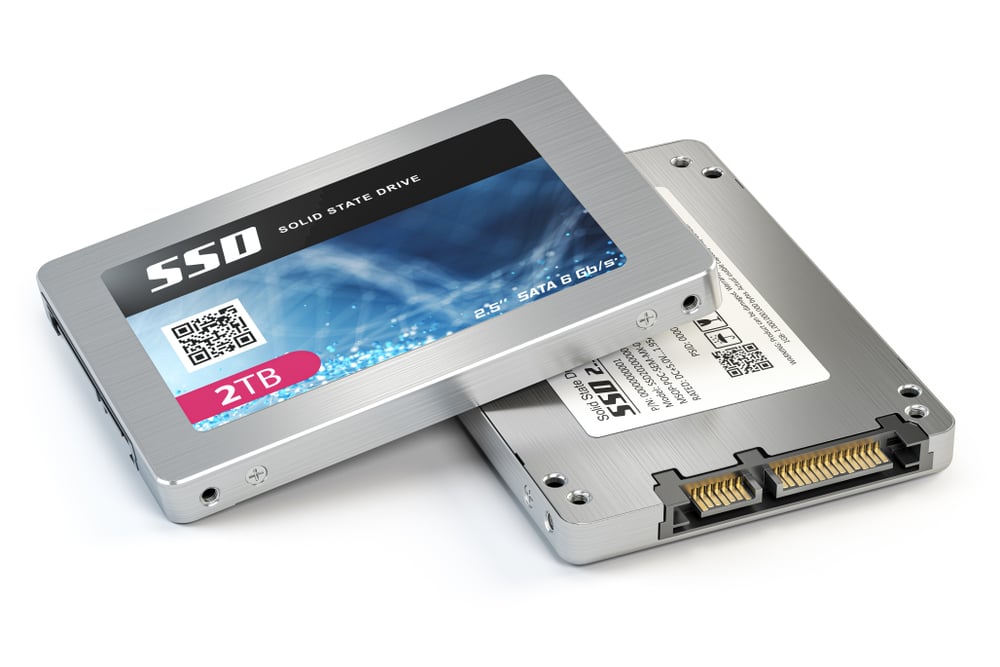
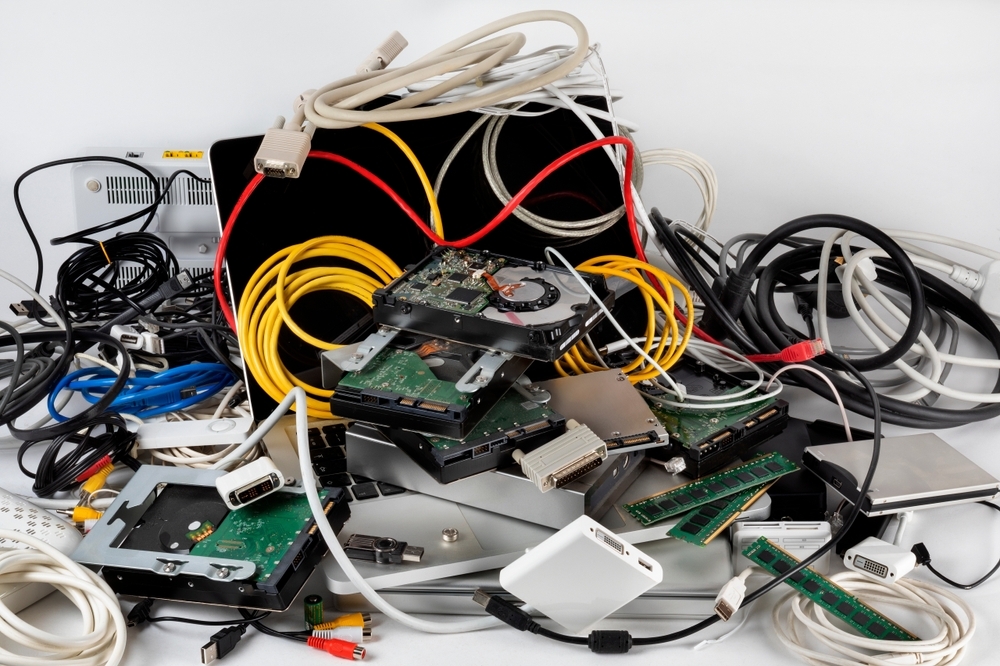
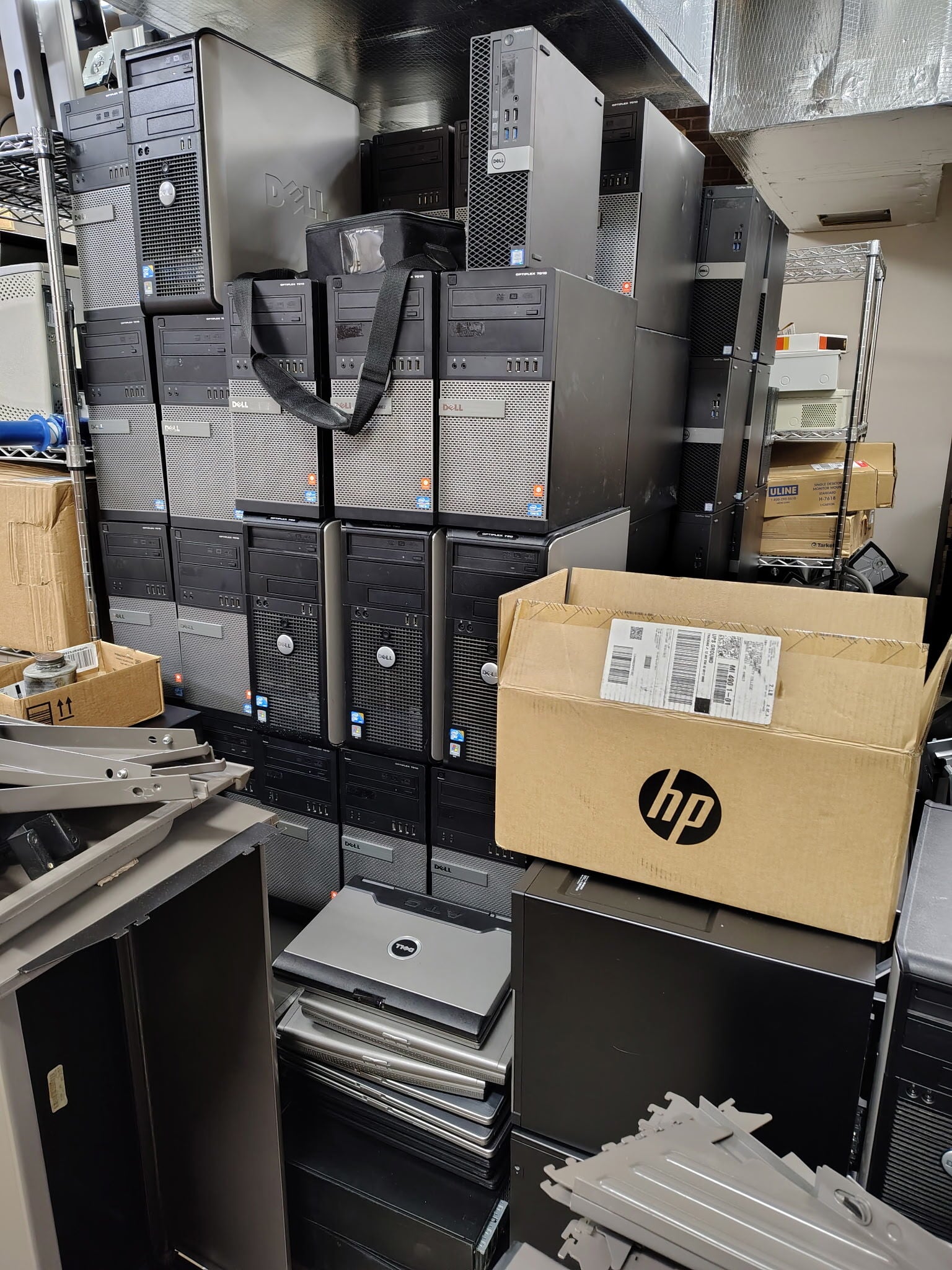
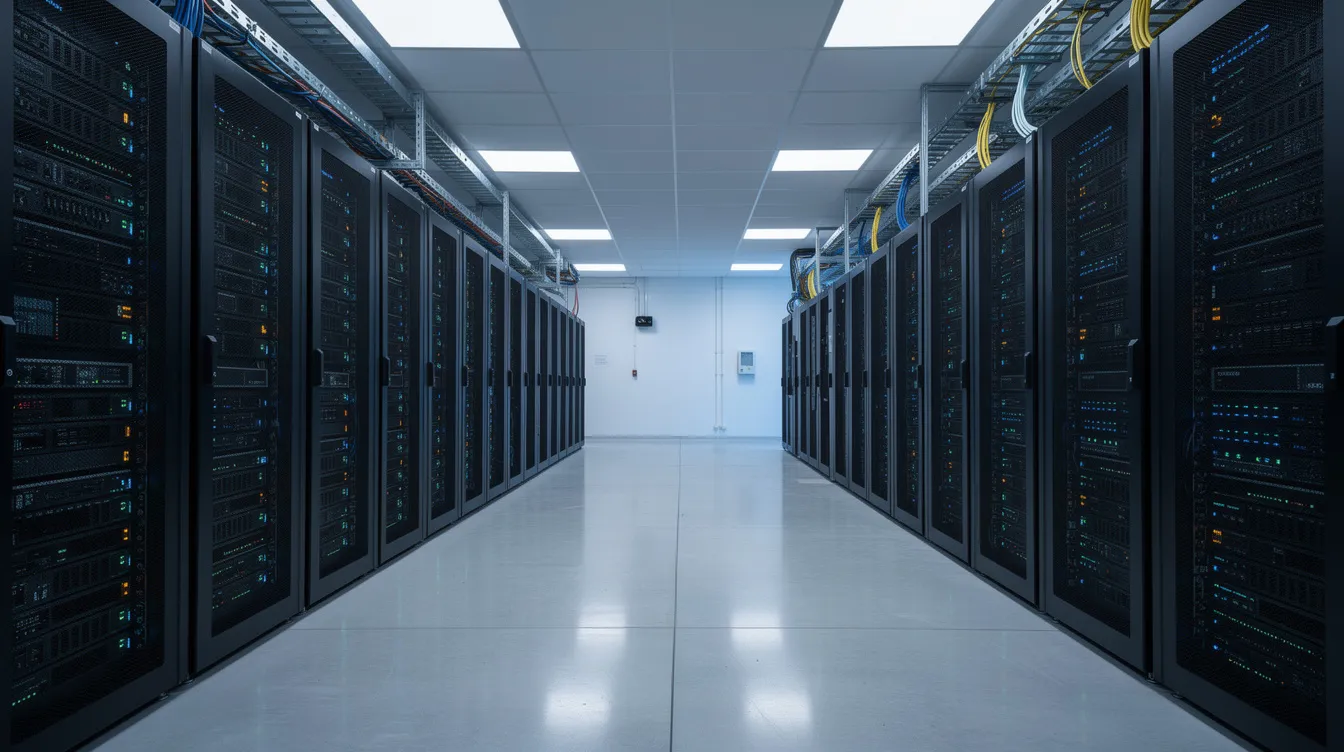
Physical assets can include laptops, desktops, thin clients, servers, network equipment, storage arrays, smartphones, tablets, and point-of-sale systems. They may also include medical devices with embedded computers and data-bearing media such as hard drives and SSDs. Digital assets include software licenses, software systems, software as a service subscriptions, cloud virtual machines and storage, and digital content repositories.
Hardware asset management, software asset management, cloud asset management, and digital asset management each have different tracking needs, costs, and end-of-life steps. A practical starting point is to classify assets by type, such as endpoint, infrastructure, cloud, operational technology, or data sensitivity.
Classifying technology when it is acquired makes reporting and security controls easier to manage. It also helps teams plan for retirement. A disposition strategy cannot be complete if no one knows which assets exist, where they are, or what data they hold.
The IT Asset Lifecycle: From Planning to Secure Retirement
IT asset management follows technology through its lifecycle. Many organizations group that work into five phases:
|
Phase |
Description |
Key outputs |
|---|---|---|
|
Plan |
Set needs, budgets, specifications, and lifecycle policies. |
Refresh criteria and budget forecasts |
|
Procure |
Buy or lease equipment and set up warranties and contracts. |
Procurement records and vendor agreements |
|
Deploy |
Configure assets and assign users and locations. |
Asset records and user assignments |
|
Operate |
Maintain, patch, and monitor performance. |
Maintenance logs, patch status, and usage data |
|
Retire / Dispose |
Sanitize, destroy, recycle, or remarket assets. |
Certificates of destruction and recycling reports |
Lifecycle stages in ITAM include planning, asset procurement, deployment, maintenance, and disposal. Laptops and desktops often remain in service for three to five years; servers may last five to seven. Some organizations refresh servers sooner for demanding workloads. For example, over 40% of organizations now refresh servers in under three years.
Each stage creates useful records: purchase date, assigned user, configuration, maintenance history, and final disposition, which also help teams calculate lifecycle costs using purchase, maintenance, and final disposition records. Keep that information up to date for audits and compliance. Lifecycle statuses such as planned, in service, in repair, in storage, retired, and disposed should be recorded in your ITAM system or configuration management database, along with maintenance history over time to assess asset performance.
Retirement and disposition connect asset lifecycle management with secure ITAD, onsite hard drive shredding, certified data destruction, and responsible e-waste recycling.
Core Components of an Effective ITAM Program
A sound IT asset management program brings people, processes, and technology together, and asset management focuses on maximizing value across the lifecycle. An inventory tool alone is not enough. Clear ITAM policies help teams understand their roles and support consistent governance from the start.
The main components are:
- Governance and policies: Set lifecycle rules, refresh criteria, data classifications, disposition steps, and software license requirements.
- Centralized asset inventory: Make inventory management a core capability by keeping one dependable, up-to-date record of what the organization owns, where assets are, and who is responsible for them.
- Configuration management database (CMDB): Record how assets relate to one another, including which systems depend on, run on, or are owned by them.
- Service management workflows: Link incident, change, and request processes to asset status and ownership.
- Reporting and dashboards: Review total cost of ownership, compliance, utilization, environmental outcomes, and data that supports financial management.
Standards such as ISO/IEC 19770 offer guidance for asset management practices. Structured ITAM can help organizations align with these standards. When IT, security, and compliance teams use the same trusted asset data, they can coordinate patching, vulnerability management, and data protection more effectively.
Building and Maintaining a Centralized Asset Inventory
A centralized, accurate asset inventory gives teams a solid base for IT asset management, and a shared inventory strengthens asset visibility while helping limit waste.
Automated discovery tools, agent-based scanners, and network sweeps support asset discovery by identifying and cataloging devices as they appear on the network. To inventory assets, teams should compile a complete record in an inventory or CMDB. Useful fields include:
- Serial number, make, and model
- Asset owner and assigned user
- Location, such as building, floor, rack, or remote site
- Lifecycle status
- Installed operating system, firmware, and software
- Encryption status and patch level
- Warranty and support end dates
- License entitlements linked to the device
A centralized ITAM system can help organizations manage and protect sensitive data. With accurate asset data, teams can make better choices about refresh timing, budgets, and risk.
Regular reconciliation and physical checks, including annual site walk-throughs, can reveal missing devices and outdated records. These checks help identify unused or outdated assets and reduce audit and security concerns. Consistent onboarding also makes asset tracking more reliable across teams and locations. Automated detection can flag new devices as they appear on the network.
ITAM, IT Service Management (ITSM), and the CMDB
IT asset management, IT service management, and a configuration management database have different jobs, but they work best together. ITAM tracks assets. ITSM manages the delivery and support of IT services. A CMDB records relationships between assets and the services that rely on them.
ITAM provides essential asset data for ITSM processes. When an incident occurs, accurate ITAM records help the service desk identify the affected server, its owner, the services it supports, and the asset context needed to resolve the issue. Effective ITAM can improve ITSM operations by helping technicians find the right information sooner. It also supports compliance with ITSM frameworks such as ITIL.
ITAM can also give ITSM teams better visibility during change management. If a team plans to replace a switch or retire a database server, the CMDB can show which services and business processes rely on it, supporting more informed decisions during changes. Tools such as Jira Service Management can bring asset data into service workflows.
Integrating ITAM with other business systems can improve efficiency and visibility. Linking asset and configuration management reduces duplicate updates, keeps lifecycle statuses consistent, and helps teams create clearer reports for leadership.
Key ITAM Disciplines: Hardware, Software, Cloud, and License Management
ITAM includes several connected disciplines. Each one has its own goals and measures, but all contribute to a clearer picture of technology across the organization.
Hardware asset management is one of the core ITAM disciplines for managing hardware such as laptops and servers, from purchase through use, repair, and pickup by an ITAD service provider. Teams need to know where data-bearing equipment is, especially as it approaches end of life.
Software asset management covers applications, licenses, subscriptions, renewal dates, and usage rights. It can help organizations manage vendor agreements, improve software license compliance, and use existing licenses more effectively. Rather than buying additional seats, teams may be able to reclaim licenses that are no longer needed.
Cloud asset management tracks cloud services and resources, including virtual machines, containers, and SaaS subscriptions. It helps teams monitor usage, control costs, and find orphaned resources or shadow IT.
Digital asset management organizes digital content such as images and videos. Fixed asset management covers non-movable IT assets such as printers and kiosk hardware. These areas may be especially relevant to organizations with large facilities or content libraries.
ITAM supports compliance with software licensing agreements across these areas. A compliance rate below 100% can expose an organization to audit risk. Asset management tools that support discovery and license tracking can help teams find gaps.

Security, Compliance, and Patch Management in ITAM
ITAM supports security frameworks such as the NIST Cybersecurity Framework, ISO 27001, and CIS Controls, as well as rules including HIPAA, PCI DSS, and GLBA, helping organizations strengthen security support and maintain regulatory compliance. By reducing shadow IT and highlighting unknown devices, it can help teams spot weaknesses earlier.
Vulnerability and patch management depend on accurate information about devices, operating systems, firmware, and ownership. If a device is missing from the inventory, it may also be missing from patching plans. Linking asset records with security controls gives teams a clearer view of unpatched systems, outdated software, and end-of-life operating systems, while reliable visibility also supports audits and compliance verification.
Organizations must follow software license terms and data privacy rules. NIST 800-88 guidelines provide standards for secure data destruction when assets leave service. NIST SP 800-88 Rev. 2, published in September 2025, defines three sanitization categories: Clear, Purge, and Destroy. The right method depends on the sensitivity of the data and the type of device. Each step should be documented and verified.
Keep full chain-of-custody and disposition records, including certificates of destruction. Those records help demonstrate that data-bearing devices were handled properly. Without them, organizations may face audit issues and breach liability. Teams can also review common mistakes companies make when recycling IT data to identify gaps in their own process.
Optimizing Costs and Asset Utilization with ITAM
A mature IT asset management program can lower capital and operating costs by tracking asset use so organizations get more value from what they already have. Effective IT asset management can reduce costs by up to 75%, and large organizations can save upwards of $150 million by optimizing software licenses alone.
Usage data can help teams find resources that are not delivering value:
- Login and usage metering can show which laptops, virtual machines, and licenses are active and which have been left idle.
- SaaS seat audits can reveal unused subscriptions. According to Zylo research, 53% of purchased SaaS licenses sit idle, wasting resources.
- Cloud rightsizing can identify over-provisioned instances that add cost without a matching business benefit.
IT asset management helps prevent unnecessary hardware purchases and unused software licenses. A global manufacturer avoided $22 million in software costs over two years by re-harvesting licenses across more than 30 software titles. A retailer reported $31 million in savings and 308% ROI after tracking usage and reallocating licenses.
Understanding total cost of ownership matters because it brings together purchase, operating, support, and disposition costs. Accurate lifecycle and ownership data can also help with budgets and refresh plans for the next three to five years. With dependable ITAM data, teams can make informed decisions about technology investments and reduce unnecessary spending.
From ITAM to ITAD: Managing the End of the IT Asset Lifecycle
Retirement is where ITAM, security, compliance, and sustainability meet. The work is not over when a laptop leaves a desk or a server is powered down.
Organizations can use a clear process when assets are ready for retirement:
- Set the asset's lifecycle status to “retired” in the ITAM system.
- Remove the device from active directories and revoke its credentials.
- Sanitize data securely or physically destroy data-bearing media.
- Update the asset inventory, CMDB, and financial records.
- Record serial numbers, sanitization methods, dates, and recycling outcomes.
Many organizations work with an IT asset disposition service provider such as Green Earth Electronics Recycling for secure transport, onsite shredding, responsible recycling, and disposition reports. This is particularly useful for hardware that contains storage and cannot be safely cleared by simply deleting files.
Returning final disposition data to ITAM and financial records closes the loop. Asset managers, finance teams, and compliance officers can then work from consistent, up-to-date records.
How Green Earth Electronics Recycling Supports ITAM and IT Asset Disposition
Green Earth Electronics Recycling supports the retirement stage of your ITAM lifecycle. We handle secure, documented, and sustainable IT asset disposition, helping your team manage equipment responsibly when it is ready to leave service.
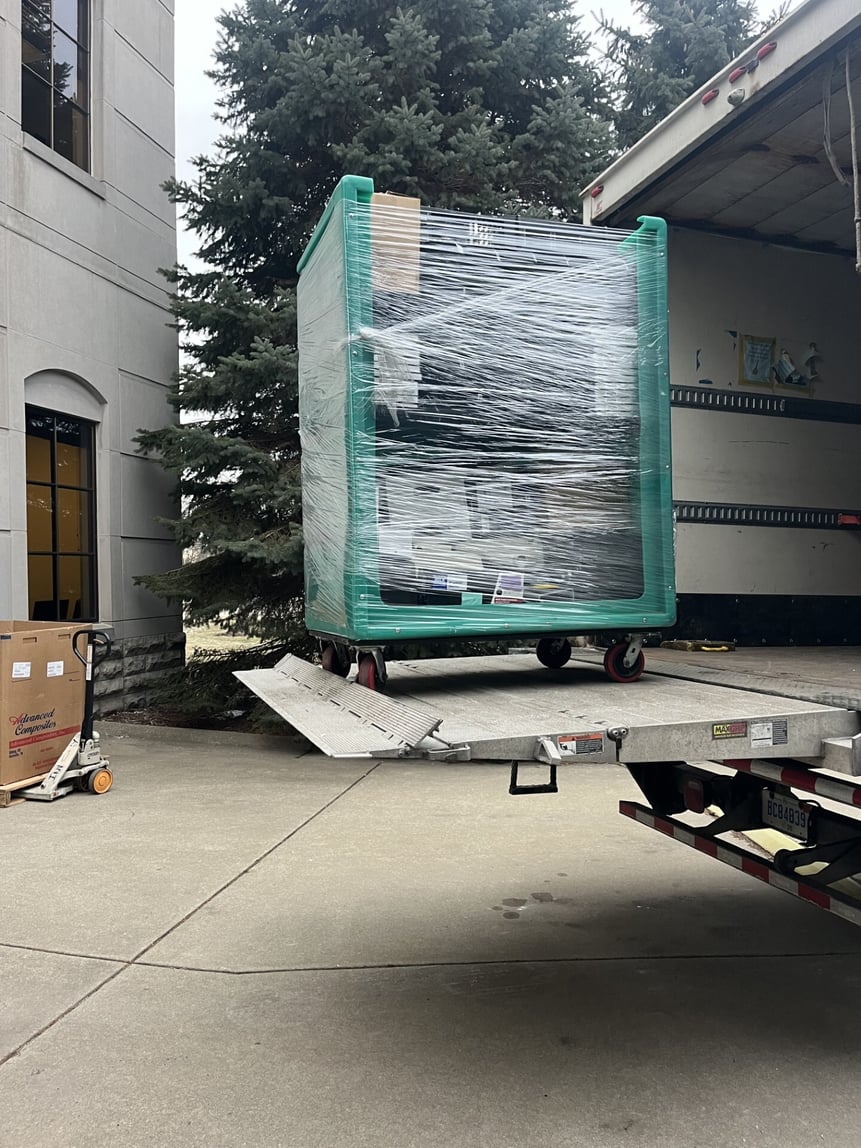
Our onsite hard drive shredding service brings a mobile shredding truck to your location. Drives are shredded to NIST 800-88 compliant particle sizes, and your IT or compliance staff can witness the process. This avoids the risk of transporting unshredded drives and keeps the chain of custody clear.
For each pickup, we can inventory the IT assets being retired. We record details such as device type, make, model, serial number, and asset tag, then include them in a disposition report. The report gives your team a per-asset record that can be matched against your own inventory, rather than a high-level count alone.
Projects include documentation to support audits: Certificates of Destruction linked to individual serial numbers, weight and material summaries for sustainability reporting, and chain-of-custody manifests. These records serve clients in finance, healthcare, government, and other sectors.
Disposition Reporting, Chain-of-Custody, and Compliance
For banking and finance, healthcare, government, education, and data centers, detailed reporting and chain-of-custody records matter. These sectors face regular audits, and incomplete disposition records can create compliance concerns.
A Green Earth disposition report can include:
- Pickup date, time, and location
- Transport details and a sealed manifest
- An inventory of IT assets, with make, model, serial number, and asset tag
- Destruction method for each device, aligned with NIST 800-88 categories
- Weight and material summaries for ESG and environmental reporting
These records help demonstrate alignment with NIST 800-88, HIPAA, GLBA, FACTA, PCI DSS, and other data protection standards. They also give teams the details needed to close out records in their own systems.
Customers often tell us that reliability matters as much as the service itself. We aim to arrive for pickups on time and deliver reports when promised, so teams can reconcile asset records and update financial entries without repeated follow-ups. Clear schedules and dependable documentation make coordination easier across IT, facilities, compliance, and finance.
Flexible, Easy-to-Work-With ITAD Services for Your ITAM Program
Banks, hospitals, school districts, municipalities, and casinos do not all have the same ITAM or ITAD needs. Volumes, data sensitivity, timing, and regulatory duties can vary from one project to the next. A fixed, one-size-fits-all service may not suit every team.
Green Earth works with customers to shape each engagement around their needs. Options can include:
- Recurring pickups during refresh programs that run over several months
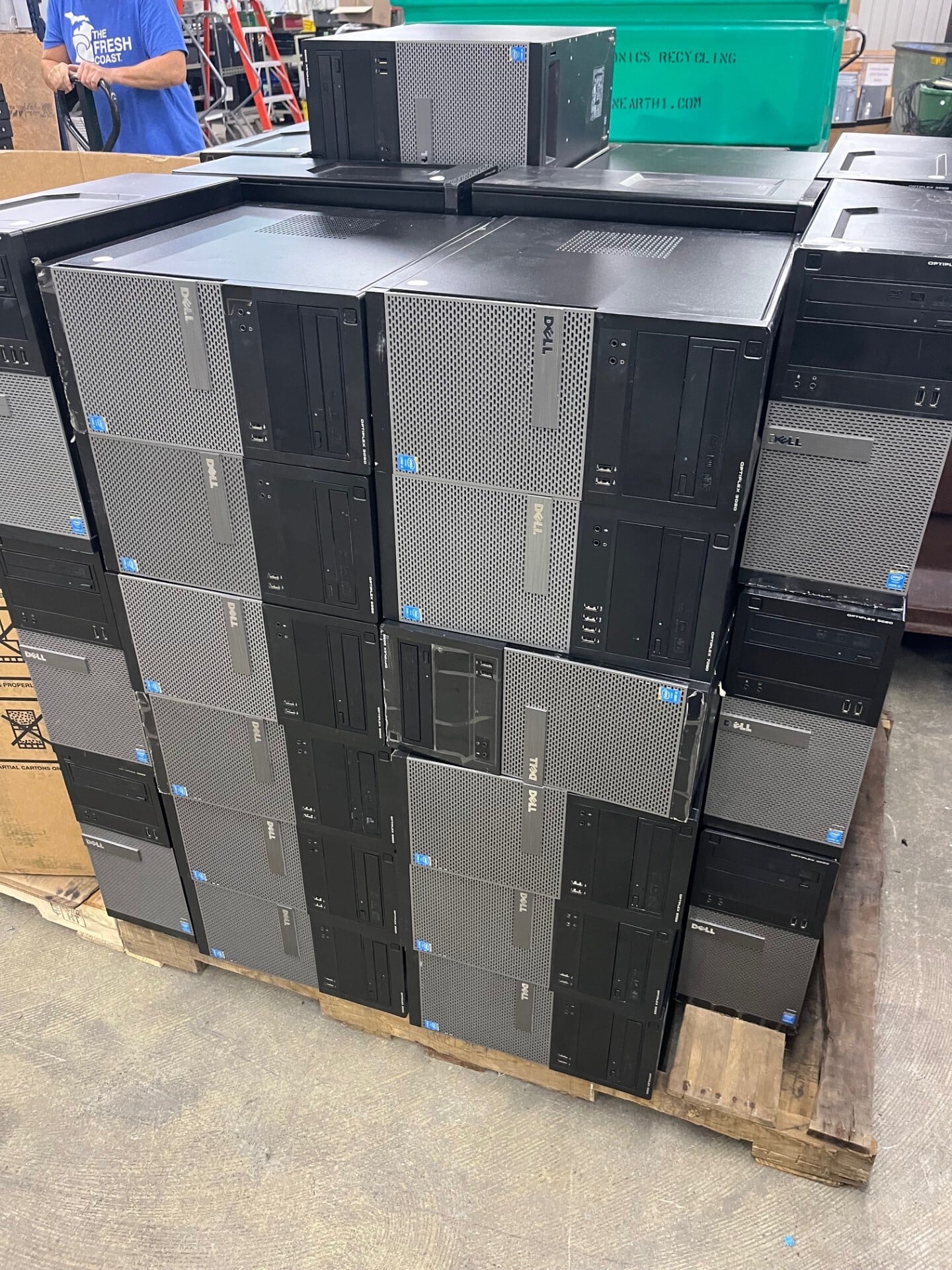
- One-time data center decommissions with onsite shredding for large numbers of drives
- Palletized shipments from branches and satellite offices
- Witness arrangements for high-security settings
We keep the process straightforward, with clear communication, guidance on labeling assets before pickup, and timely documents afterward. We can adapt to your internal workflows and provide consistent points of contact. That gives your teams more time for their core work and helps IT, facilities, and finance meet their IT asset management, compliance, and sustainability goals.
Green Earth aims to be a reliable long-term partner, not just a provider for one pickup. As your fleet, refresh schedule, and regulatory needs change, we can adjust the service to suit your team. That kind of flexibility can make ITAD easier to manage as part of your wider asset program.
ITAM Best Practices and Next Steps
Good IT asset management and secure disposition both depend on consistent records and clear ownership. These practices can help teams build a more dependable program:
- Keep a centralized asset inventory as a trusted source for decisions.
- Connect ITAM with ITSM and your CMDB so asset status reaches service workflows.
- Standardize lifecycle steps from purchase through retirement, using clear policies and suitable asset management software.
- Use discovery tools and IT asset management software to help find new devices, identify changes, and improve utilization.
- Bring IT, security, and compliance teams together around the same asset data, including regulatory needs, software licenses, and patch status.
Start by reviewing your current asset lifecycle, especially how you handle retired equipment. Are devices sitting in storage, where they may pose a risk? Does your ITAD process meet your security and sustainability needs?
A useful next step is to inventory end-of-life devices and contact Green Earth Electronics Recycling about secure, responsible removal. Your team can then update ITAM and financial records with complete disposition data. Our social impact programs can extend the value of responsible asset management.
As organizations refresh equipment and regulations continue to evolve, secure disposition deserves the same attention as procurement. It helps protect data, avoid unnecessary purchases, manage budgets, and support more sustainable operations. Treating the final stage as part of IT asset management gives teams a clearer path from purchase to documented retirement.